AC-Coupled vs DC-Coupled Batteries: Which Fits Your Home?
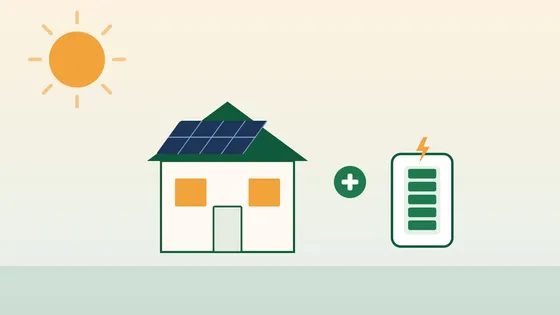
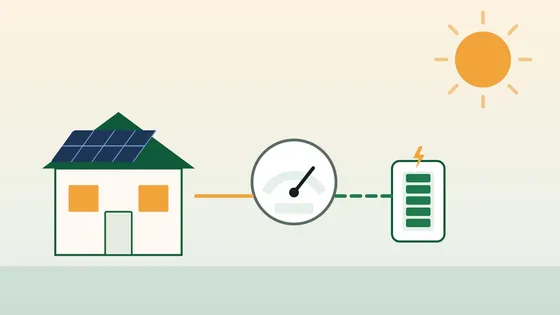
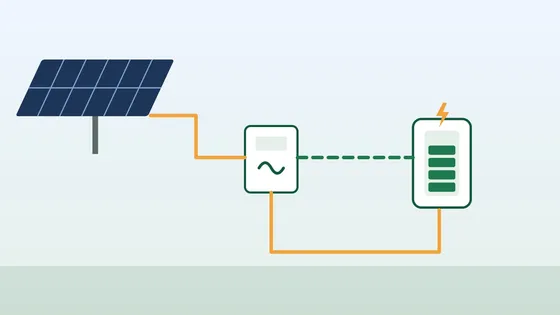
How AC-coupled and DC-coupled home batteries differ, why their efficiency ratings are not directly comparable, and which one fits new or existing solar.
Updated

Developer and Content Reviewer
Dani García builds OwnerHandbook's calculators and reviews every guide before it goes live. His job is to check each number against its original source (Tesla and other manufacturers' datasheets, EIA electricity data, Berkeley Lab and NLR research), make sure the math behind every estimate is shown on the page, and update figures when prices, rates or incentives change. If something on the site looks wrong, he wants to hear about it.
How AC-coupled and DC-coupled home batteries differ, why their efficiency ratings are not directly comparable, and which one fits new or existing solar.
Updated
Yes, most solar systems can take a battery. How AC-coupled retrofits work, which batteries fit, the limits to check and what happens to your net metering.
Updated
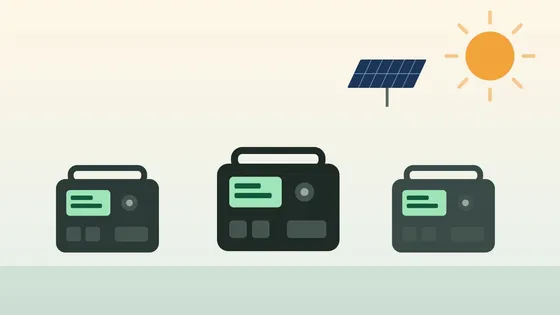
Four portable power stations compared for home backup on capacity, power, cycle life, weight and price per watt-hour, using manufacturer specifications.
Updated
EcoFlow DELTA Pro 3, Jackery HomePower 3000 and Anker SOLIX F3800 Plus compared on capacity, expansion, 240 V output, solar charging, UPS and price.
Updated
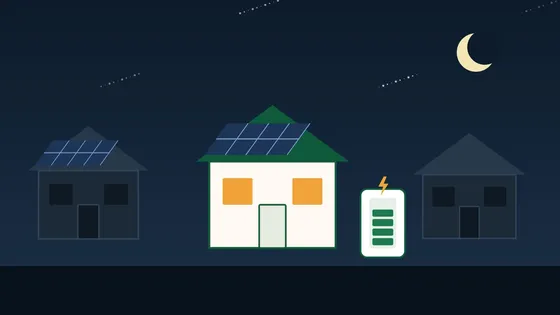
Most rooftop solar shuts off in a blackout for lineworker safety. Here is why, and the four ways to keep using your panels when the grid goes down.
Updated
What a home battery costs in 2026: typical installed prices by brand and per kWh, what the quote includes, which incentives still exist and how to pay less.
Updated
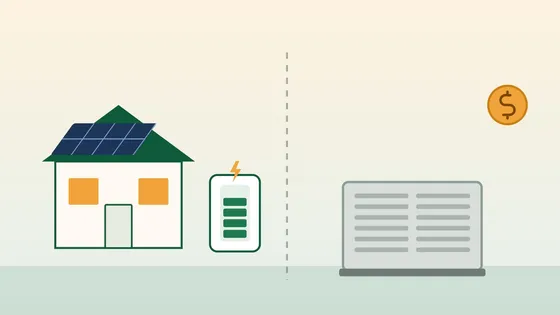
Compare a home battery with a whole-home standby generator over 10 years: installed price, fuel, warranty, how long each can run and which suits your outages.
Updated
When exports earn less than retail, a battery stores your solar for later. See how to work out if it pays off, with the math and honest payback ranges.
Updated
A Powerwall 3 stores 13.5 kWh. See how many hours that runs an average home in an outage, why the starting charge matters and how to estimate yours.
Updated
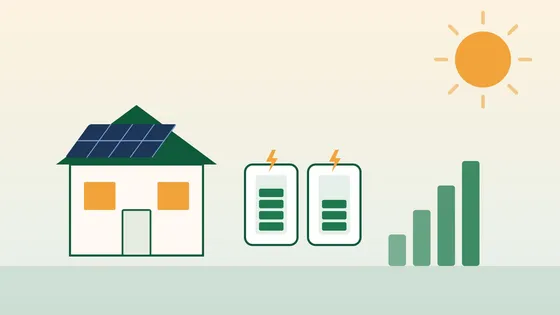
How many kWh of battery storage a home needs for essentials or whole-house backup, worked out from EIA usage data, with the batteries it takes to get there.
Updated
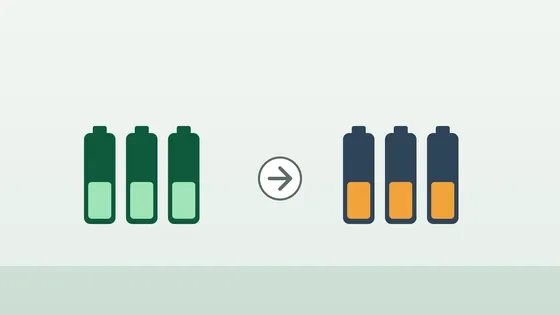
LFP and NMC are the two lithium-ion chemistries in home batteries. How they differ on safety, lifespan, size and cost, and which one most new batteries use.
Updated
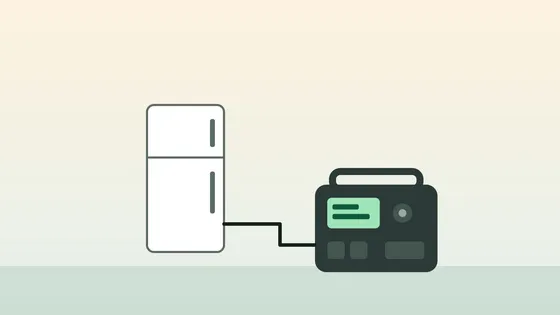
How many watt-hours a solar generator needs to keep a fridge or freezer running in an outage, based on EIA usage data, plus the solar panels to recharge it.
Updated
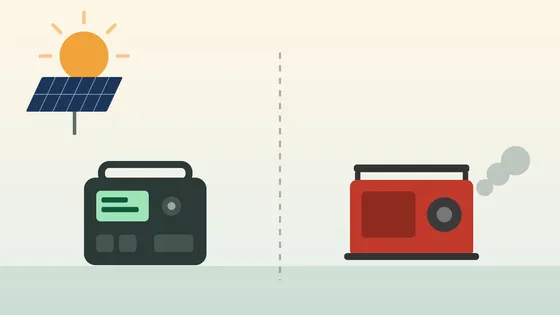
Solar generators are silent and safe indoors; gas generators run as long as you have fuel. Compare energy, power, noise, safety and cost for outage backup.
Updated