Solar panels in California
Key numbers that decide whether solar pays off in California. Each figure links to its source and shows when we last checked it.
Last checked:
Average residential electricity rate
32¢/kWh
Source: Electric Sales, Revenue, and Average Price 2024, Table 5A: Residential average monthly bill by state · Oct 24, 2026
Peak sun hours per day
6.1 hours
Source: PVWatts v8 (NSRDB PSM V3 TMY-2020). Our runs: 1 kW DC, fixed roof mount, 20 degree tilt, south-facing, 14% losses, 96% inverter efficiency · Oct 24, 2026
Net metering
Net billing (exports credited below retail)
Customers of PG&E, Southern California Edison and San Diego Gas & Electric who applied to interconnect on or after April 15, 2023 are on the Net Billing Tariff, which PG&E calls the Solar Billing Plan. Exported solar earns credits that vary by hour, day and season based on its value to the grid, usually well below the retail rate, and residential customers must be on a time-of-use rate. Credits roll over and are settled at a 12-month true-up. Customers on the older net energy metering tariffs keep them for 20 years from interconnection. Publicly owned utilities such as LADWP and SMUD set their own rules.
Source: Solar Billing Plan (California Net Billing Tariff, CPUC Decision D.22-12-056) · Oct 24, 2026
State and utility incentives
Self-Generation Incentive Program (SGIP): Residential Solar and Storage Equity
Battery rebates of up to $1,100 per kWh for eligible low-income households, who must also enroll in a qualified demand response program. On October 24, 2026 the program tracker showed most residential budgets closed or waitlisted, so confirm availability with your installer before counting on it.
Oct 24, 2026
Active Solar Energy System property tax exclusion
Installing a qualifying solar system does not increase your assessed property value. Systems that qualify before January 1, 2027 keep the exclusion until the property changes ownership (SB 710, 2025); systems completed later do not qualify unless the law is extended.
Oct 24, 2026
Estimate solar savings in California
Related guides
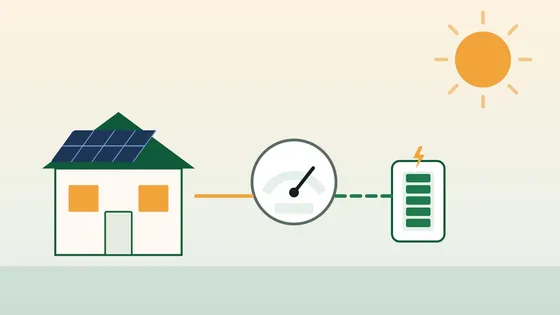
Is a Home Battery Worth It Without Net Metering?
When exports earn less than retail, a battery stores your solar for later. See how to work out if it pays off, with the math and honest payback ranges.
Updated